Source CE Orthodontic Dental Ceramic Bracket for Braces
Find 30 CE orthodontic dental ceramic bracket options from Chinese manufacturers. Compare manual instruments, metal and ceramic types, and specialized orthodontic equipment with online technical support and CE certification for various dental applications; compare the available evidence and request quotations based on your requirements.
Key considerations
Products List




Comprehensive Sourcing Guide
ce orthodontic dental ceramic bracket Sourcing Guide
Procurement of ceramic orthodontic brackets requires careful evaluation of product attributes to ensure clinical suitability and operational reliability. The observed market data indicates a primary focus on Class I instruments designed specifically for dental applications, with materials ranging from high-grade ceramics to metal alternatives depending on the specific clinical need. Buyers must distinguish between reusable specialized instruments and disposable orthodontic materials, as the usage times vary significantly across different product listings.
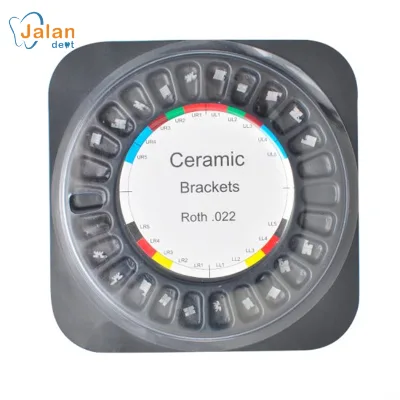
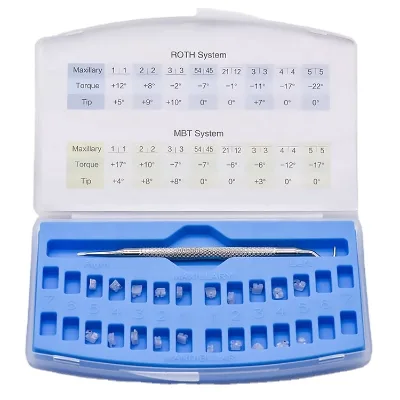
Sourcing decisions should also account for the diverse model numbers and functional hooks available, such as the JA-OR104 and JA-OR876 variants, which cater to specific bracket slot sizes like 0.018 or 0.022 inches. While some products are marketed as single items with minimal packaging, others arrive in cartons with specific gross weights and dimensions that impact logistics planning. Understanding these physical and functional distinctions is essential for aligning inventory with the specific requirements of an orthodontic department.
Product Scope and Observed Listing Signals
The current market landscape for ceramic brackets reveals a wide spectrum of product configurations, including specialized instruments and general orthodontic materials. Listings frequently highlight the nature of the equipment as specialized, with some items explicitly designed for adult applications while others serve broader orthodontic needs. The presence of features like waterproof capabilities and specific hook types, such as the 3 Hook or 345 Hook, suggests a need for buyers to verify compatibility with existing archwire systems before placing orders.
Commercial signals in the listings indicate that customization is often available, allowing clinics to tailor products to their specific branding or clinical protocols. However, the selling units vary, with some suppliers offering single items while others require bulk purchases, reflecting different inventory strategies. Buyers should note that while some products are listed with a shelf life of one year, others are non-disposable, necessitating a clear understanding of the intended lifecycle and maintenance requirements for each specific bracket type.
Technical Specifications to Verify
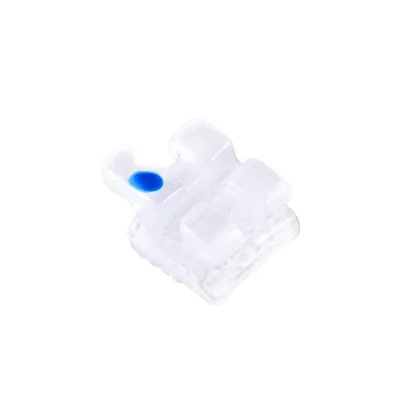
Technical verification must begin with the material composition, as the core keyword specifies ceramic brackets, yet listings also include metal types and mixed material options. Buyers should confirm that the material is indeed ceramics for the specific models intended, checking for attributes like the reverse curve archwire standard or specific model numbers such as SD-DC-01. The slot size is a critical technical parameter, with observed data pointing to 0.018 and 0.022 inch slots, which must match the wire system used in the clinic to ensure proper fit and function.
Further technical due diligence involves examining the physical dimensions and packaging details, which can vary from single packages of 12x10x1 cm to larger carton packages. The power source is consistently listed as manual, indicating that these are hand-operated instruments or materials rather than powered devices. Additionally, the condition of the product is typically new, but buyers must verify the specific nature of the equipment, ensuring it meets the specialized instrument equipment standards required for orthodontic procedures.
Compliance and Safety Documentation
Compliance verification is paramount when sourcing medical devices, and the observed data confirms the presence of CE certificates and CE quality certifications for many listed products. Buyers should request and validate these certificates to ensure the products meet the necessary European safety and health standards for Class I medical devices. While ISO 13485:2016 is mentioned in background contexts, the primary documented certification in the listings is the CE mark, which serves as the baseline for market entry and regulatory compliance in many regions.
Safety documentation also extends to the warranty and after-sale support provided by the supplier. Most listings indicate a one-year warranty and offer online technical support, which are critical for managing potential product failures or clinical issues. Buyers must ensure that the warranty terms are clearly defined and that the after-sale service includes accessible technical assistance, as this support is vital for maintaining the integrity of orthodontic treatments and addressing any equipment-related concerns promptly.
Cost Drivers and Commercial Terms
Cost structures for ceramic orthodontic brackets are influenced by a variety of factors, including the material type, model complexity, and the specific customization options requested. The observed price range of 1 to 75 USD suggests significant variation based on these attributes, with specialized instruments and custom-branded items likely commanding higher prices. Buyers should analyze the cost per unit relative to the packaging details and gross weight, as these factors directly impact the total landed cost and shipping efficiency.
Commercial terms also play a significant role in the total cost of ownership, with payment methods like T/T and WU L being common in the listings. The minimum order quantity (MOQ) varies widely, ranging from single items to 500 units, which affects the initial capital outlay and inventory management strategy. Additionally, delivery times of approximately 10 days and shipment options via DHL, FEDEX, or EMS must be factored into the budget, as expedited shipping or specific logistics requirements can add substantial costs to the procurement process.
Supplier Qualification and Quality Control
Supplier qualification requires a thorough review of the place of origin and the specific manufacturing capabilities indicated in the product listings. The data shows origins in Guangdong and Tianjin, China, which are known hubs for dental instrument manufacturing. Buyers should verify the supplier's ability to maintain consistent quality across different model numbers and ensure that the production processes align with the required standards for Class I medical devices. The availability of customization services is a strong indicator of a supplier's flexibility and technical capability.
Quality control measures should be validated through the supplier's warranty and after-sale service offerings. The presence of a one-year warranty and online technical support suggests a commitment to product reliability, but buyers must confirm the specific terms and conditions of these services. It is also essential to verify the condition of the products, ensuring they are new and meet the specified material and functional requirements. Regular audits of the supplier's quality management systems can help mitigate risks associated with product inconsistencies.
Long-Term Procurement Checks
Long-term procurement success depends on establishing a reliable supply chain that can consistently meet the evolving needs of the orthodontic department. Buyers should monitor the shelf life of the products, which is listed as one year for some items, to ensure that inventory turnover is managed effectively to prevent expiration. Regular reviews of the product performance and clinical outcomes will help identify any recurring issues or areas for improvement in the selected bracket models.
Continuous engagement with suppliers is necessary to maintain the quality and availability of the products. Buyers should leverage the available customization options to adapt to changing clinical protocols or branding requirements. Additionally, maintaining open communication channels for after-sale support ensures that any technical issues can be resolved quickly. By regularly assessing the supplier's performance against the established criteria, buyers can ensure a stable and efficient procurement process that supports the long-term success of their orthodontic practice.
FAQs
What certifications do these ceramic brackets have?
These orthodontic ceramic brackets carry CE certification, ensuring compliance with European safety standards. The product is classified as a Class I medical instrument, suitable for general dental use. This certification confirms the material meets regulatory requirements for medical devices in international markets.
Can I customize the logo on these brackets?
Yes, customization is available for these orthodontic brackets. Buyers can request specific branding or packaging adjustments to meet their distribution needs. This service allows clinics and distributors to maintain their brand identity while sourcing high-quality ceramic brackets for their patients.
What is the minimum order quantity for these brackets?
The minimum order quantity is typically five boxes for standard listings. However, some suppliers may require a minimum of one hundred units depending on the specific model. Buyers should verify the exact MOQ with the supplier before placing an order to ensure availability.
How long is the delivery time for these brackets?
The standard delivery time is approximately ten days after order confirmation. Shipping methods such as DHL, FedEx, or EMS are commonly used for international transport. Buyers should account for potential customs clearance delays when planning their inventory replenishment schedules for these orthodontic supplies.
What materials are used in these orthodontic brackets?
These brackets are primarily made from high-quality ceramic materials, offering a tooth-colored aesthetic for discreet orthodontic treatment. Some variants may include metal components for specific functional requirements. The ceramic construction ensures durability and biocompatibility for long-term wear during orthodontic correction procedures.
Are these brackets disposable or reusable?
These orthodontic brackets are designed for single-use application and are not reusable. They are classified as non-disposable in some contexts but are intended for one-time patient treatment. Proper disposal protocols should be followed after the orthodontic appliance is removed from the patient.